
Key Takeaways
- Sleeping with your eyes partially open, a condition called nocturnal lagophthalmos, can leave your eyes exposed overnight and lead to redness, dryness, irritation, and blurry vision in the morning.
- Common causes include facial nerve issues, thyroid eye disease, eyelid abnormalities, prior eyelid surgery, or inherited anatomical factors that prevent the eyelids from fully closing during sleep.
- Untreated nocturnal lagophthalmos can increase the risk of chronic dry eye, eye infections, corneal damage, and other vision-threatening complications.
- Treatments such as lubricating eye drops, nighttime ointments, moisture-retaining sleep masks, and professional eye care can help protect your eyes and prevent long-term damage.
Picture this: you wake up with red, irritated eyes and chalk it up to allergies, dry air, or too much screen time. But what if the culprit is something totally unexpected?
At Optical Expressions, we see this more often than you’d think—believe it or not, one reason your eyes might be red in the morning is because… you’re sleeping with your eyes open.
Sounds wild, right? But it’s a real condition called nocturnal lagophthalmos, and it could be affecting your eye health more than you realize.
What Causes Someone to Sleep With Their Eyes Open? (Nocturnal Lagophthalmos)
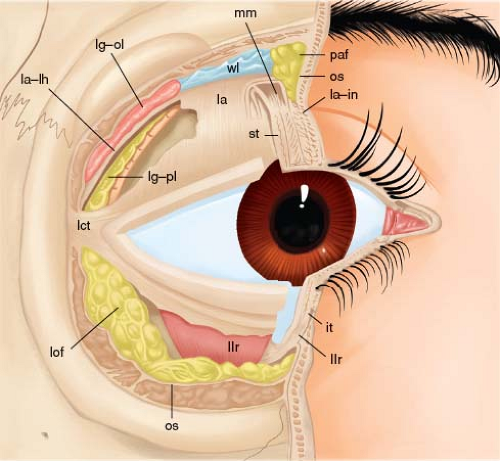
Sleeping with your eyes open, medically known as Nocturnal Lagophthalmos occurs when the eyelids cannot close completely during sleep. This is often caused by issues with the facial nerves or the structure of the eyelid itself.
Common causes include:
- Facial Nerve Paralysis: Conditions like Bell’s Palsy or stroke can weaken the muscles responsible for closing the eyes.
- Thyroid Eye Disease: Conditions like Graves’ disease can cause the eyes to bulge (proptosis), making it physically difficult for the lids to cover the eye.
- Eyelid Damage: Scarring from past injuries, burns, or cosmetic surgeries (like blepharoplasty) can reduce skin elasticity.
- Anatomical Factors: Some individuals are genetically predisposed to having shorter eyelids or a slight gap.
Talk with one of our doctors to get a closer look at what’s causing your red eyes.
Can You Sleep With Your Eyes Open? Signs to Watch For
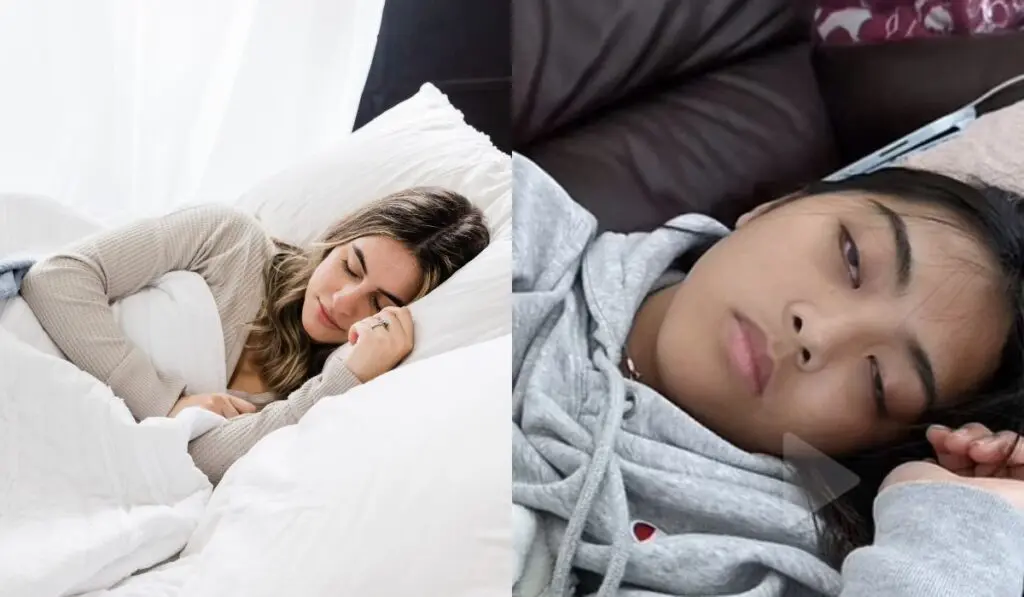
Since you can’t check yourself during sleep, watch for these symptoms:
- Dry or gritty eyes upon waking
- Morning redness, especially in the whites of the eyes
- Blurry vision in the morning
- Watery eyes (a reflex to overnight dryness)
- A partner or roommate notices your eyes aren’t fully closed while you sleep
Is It Bad to Sleep With Your Eyes Open? Potential Damage and Why it Matters
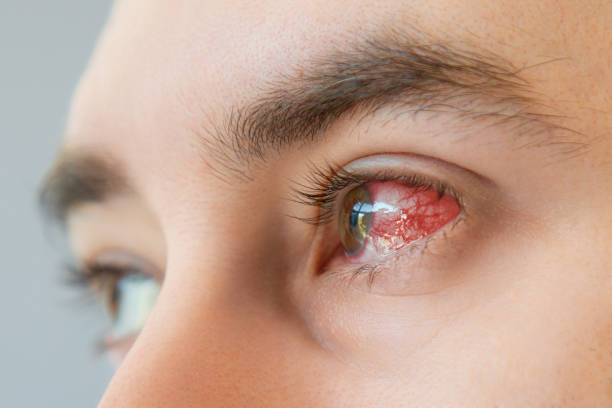
Fix your red eyes today with one of our doctors.
Leaving your eyes exposed at night can dry out the cornea and lead to:
- Chronic eye irritation
- Eye infections
- Corneal damage or ulcers
It’s more than just an annoyance—it can lead to serious issues if untreated.
How to Stop Sleeping With Your Eyes Open (and Prevent Damage)
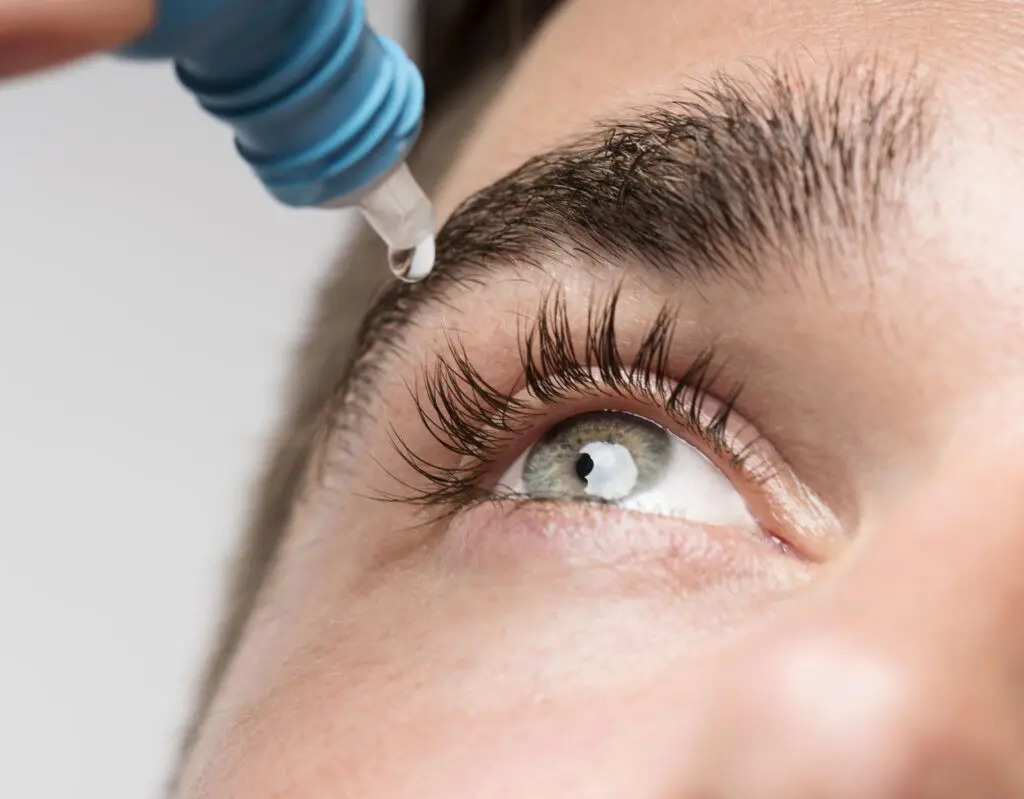
Luckily, there are several ways to protect your eyes:
- Use lubricating eye drops or ointment before bed
- We recommend brands like: Systane Gel Drops or Systane Nighttime Lubricant Eye Ointment, GenTeal Lubricant Eye Gel, Preservative Free TheraTears Liquid Gel
- Wear a moisture-retaining sleep mask or eye goggles
- Try eyelid strips or medical tape to keep your eyelids closed
- Do warm compresses or eyelid massages to help with closure
- In more severe cases, medical or surgical options are available
When to See a Doctor for Nocturnal Lagophthalmos
If you’re waking up with red, irritated, or dry eyes, it’s time to talk to the professionals. At Optical Expressions, we’ll help you get to the root of the issue with a thorough eye exam—and suggest the right treatment plan to keep your eyes healthy and comfortable, day and night.

📅 Book your next eye exam with us today—your eyes will thank you!
📍 Visit us at Optical Expressions or call to schedule your appointment.
FAQs
What is nocturnal lagophthalmos?
Nocturnal lagophthalmos is a medical condition where your eyelids cannot close completely during sleep. Leaving the eyes partially exposed overnight often leads to morning redness, blurry vision, and chronic dry eye.
Why do I sleep with my eyes partially open?
This condition is often caused by issues with the facial nerves or the structure of the eyelid itself. Common causes include facial nerve paralysis (like Bell’s Palsy or stroke), thyroid eye disease (like Graves’ disease), scarring from past injuries or cosmetic surgeries, or genetic anatomical factors.
How can I protect my eyes if they don't close all the way at night?
You can protect your eyes by using lubricating eye drops or nighttime ointments before bed, wearing a moisture-retaining sleep mask or eye goggles, trying eyelid strips, or doing warm compresses and eyelid massages.
Comments are closed.