
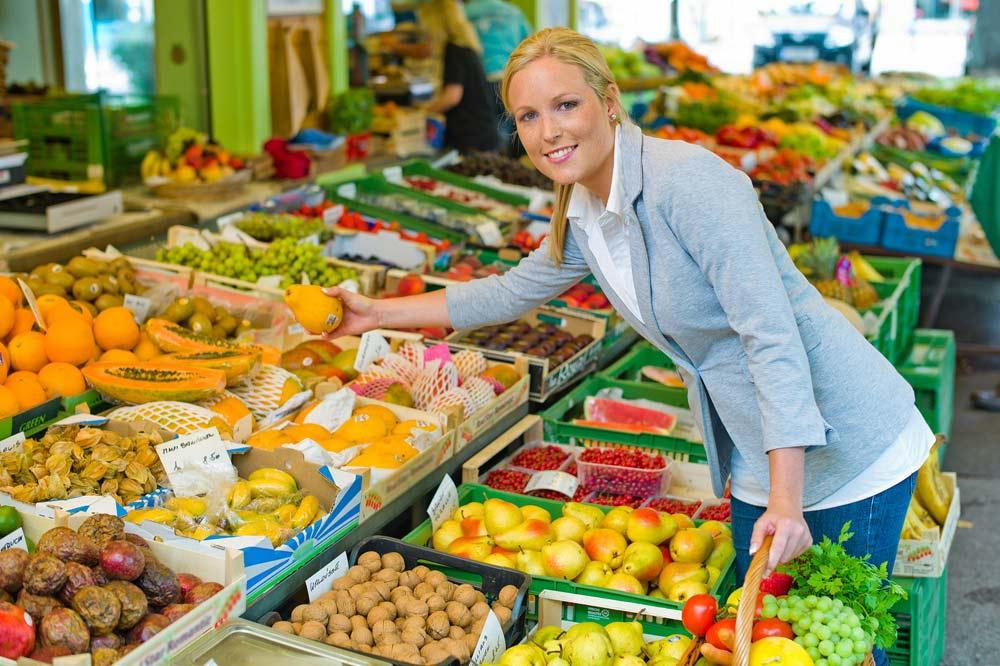
Did you know that fruits and vegetables can impact your vision? They are packed with vital nutrients and vitamins that are essential for keeping your eyes healthy. Eating a diet rich in fruits and vegetables is one of the best ways to protect your vision and keep your eyes healthy. At Optical Expressions, serving Scottsdale and Phoenix, we provide comprehensive eye care along with helpful advice for keeping your eyes healthy.
Fruits and Veggies Are the Best Foods for Eye Health
It is no secret that eating fruits and vegetables is good for you. They are packed with essential vitamins and minerals. What you may not know, however, is that these foods are also great for your eyesight. A recent study found that those who eat more fruits and vegetables have a significantly lower risk of developing eye diseases such as cataracts and age-related macular degeneration (AMD).
Vitamins and Minerals Found in Fruits and Veggies
- Zinc is good for the delivery of Vitamin A to your retina
- Lutein is a powerful antioxidant that helps promote good overall eye health
- Vitamin C can aid in making you less susceptible to certain eye conditions
- Vitamin E is good for the protection of the small cells inside your eyes
To keep your eyes healthy, load up on leafy greens, carrots, and berries. These nutrient-rich foods will improve your vision and protect your eyes from age-related problems.
Contact Our Eye Doctors at Optical Expressions
Eating a well-balanced diet is important for your eye health, but it is also important to make time to visit an optometrist. If you are experiencing problems with your vision, don’t wait to schedule an appointment with one of our eye doctors. If you are in Scottsdale or Phoenix, give Optical Expressions a call today and request an appointment.
Frequently Asked Questions
What are the best vegetables for eyesight?
The best vegetables for eyesight are dark leafy greens (like spinach and kale), carrots, sweet potatoes, and red bell peppers. These vegetables are dense in essential eye-protecting nutrients like lutein, zeaxanthin, Vitamin A, and Vitamin C, which help prevent macular degeneration and cataracts.
Can eating carrots really improve my vision?
While eating carrots won’t magically give you 20/20 vision or eliminate the need for glasses, they do actively protect your eye health. Carrots are rich in beta-carotene, which your body converts into Vitamin A. A severe lack of Vitamin A can lead to night blindness and corneal damage, so carrots are an excellent preventative food.
What vitamins do my eyes need most?
To maintain healthy vision, your diet should include plenty of Vitamin A (for the retina and cornea), Vitamin C (to prevent cataracts), Vitamin E (to protect cells from oxidative stress), and Zinc (to help deliver Vitamin A from your liver to your retinas).
What foods contain lutein and zeaxanthin?
Lutein and zeaxanthin are two antioxidants that work together to support eye health, particularly the macula. Good sources include leafy greens like spinach and kale, along with corn, egg yolks, and orange bell peppers. Pairing these foods with the other eye-friendly nutrients in this article can help give your eyes well-rounded protection.
Comments are closed.